How to Protect Business Data from Cyber Threats
One of the most important company assets is business data. Customer records, transactions, and employee records are all stored and transmitted through digital means. As businesses rely more on digital systems, so do the threats. As a business, protecting data from potential digital risks is essential.
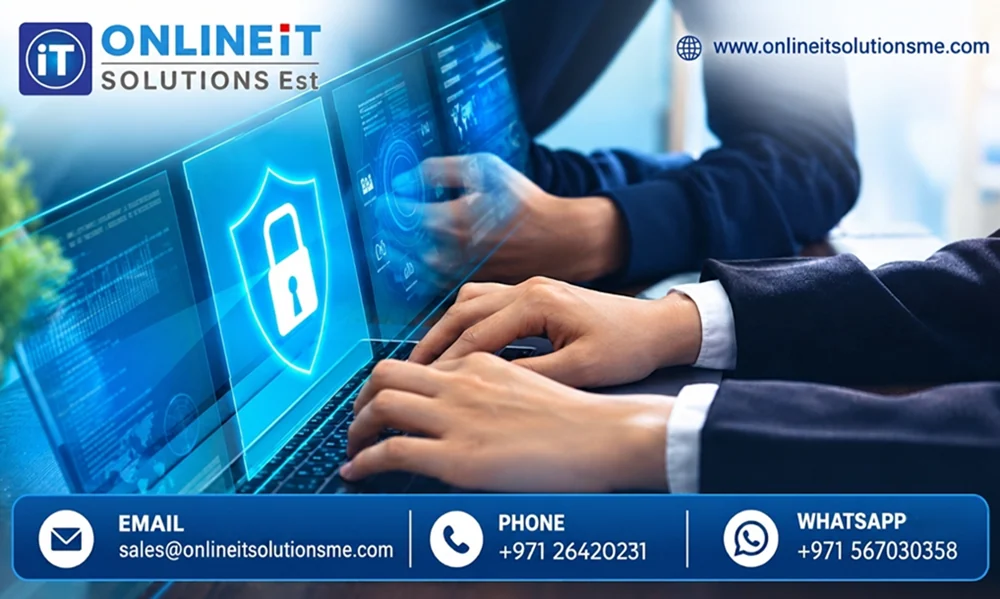
The threats posed by phishing, ransomware, data breaches, malware, credential theft, and other similar threats can result in significant financial loss, extended productivity loss, and damage to a company's reputation. Businesses in Abu Dhabi and all over the UAE have to integrate several strategies to rectify the gaps that exist in most of their cybersecurity and data protection frameworks. This includes focused efforts on their cybersecurity, coupled with physical security, employee awareness, routine IT maintenance, and monitoring.
What is Data Protection?
Business data protection refers to safeguarding sensitive data to ensure the privacy of the information, integrity of the data, and maintaining business continuity by ensuring the data is available when needed.
Protecting a company's data means devising a robust strategy to defend against cyber threats and mitigate data breaches for customer records, financial information, employee information, business documents, emails, and business applications.
What are some Common Cyber Threats to Business Data?
Phishing, malware, ransomware, stolen credentials, and other similar attacks serve to extort data or disrupt operations.
The use of weak passwords, outdated software, unprotected devices, uncontrolled access, insider threats, and even accidental data loss and exposure present risks to an organization. Knowledge of these risks helps organizations enhance their proactive cyber defense postures.
How Can Businesses Protect Data from Cyber Threats?
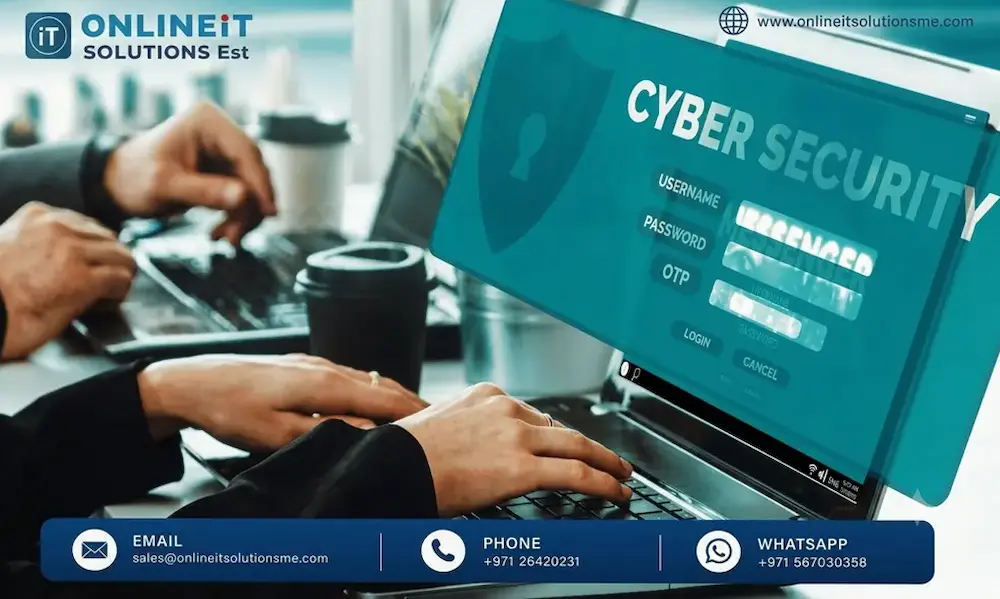
Strong access controls are a fundamental requirement for any organization in defending data from potential threats. There is a need to limit the access employees have to the company's information and systems to the minimum required for their job function. This is even more important when dealing with information and systems that are confidential in nature.
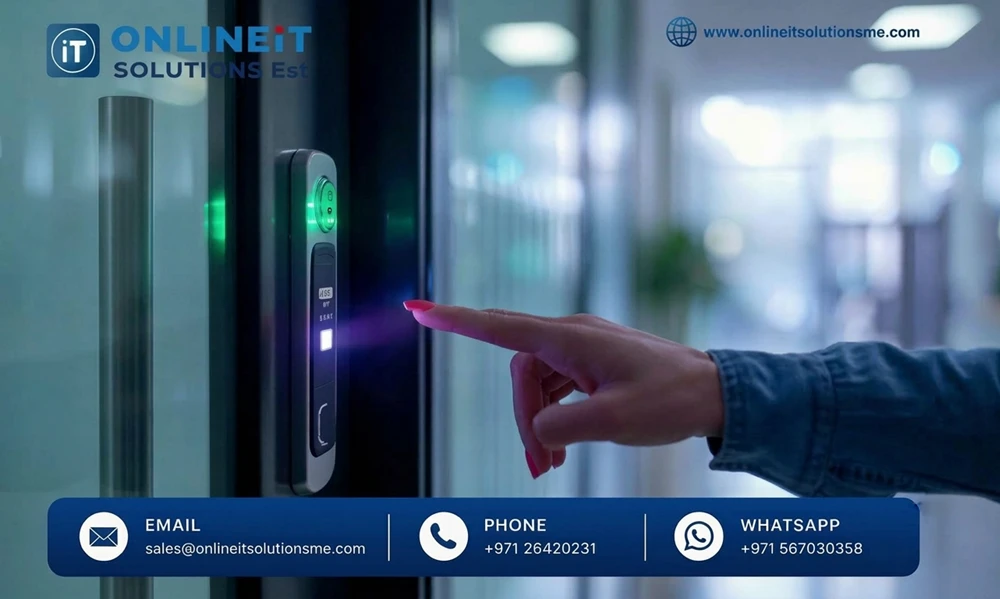
Multi-factor authentication should be implemented on all email and cloud accounts, as well as company administration systems, and on remote access systems. Restricting access and controlling physical movement is just as important. Access control systems can be used to limit access to the company's critical IT infrastructure in Abu Dhabi.
Protect Networks and Endpoints
Secure networks and internet connectivity are a part of the protection of the organization's data. Firewalls should be implemented along with endpoint security and antivirus solutions. Network access control systems (NACS) can help organizations secure their networks.
Computers, mobile devices and routers should be regularly monitored and controlled. Consistent application of security controls on all business connected locations, including remote working sites, is critical.
Keep Software Updated
Cybercriminals use known vulnerabilities to launch attacks. It is, therefore, imperative that software is updated on an ongoing basis, to address known vulnerabilities.
There is an inherent risk of a system's exposure to a security risk when software, firmware, and operating systems are out of date. Structure and consistency in a maintenance plan for updates can mitigate risks.
Secure Data Backups
Data backups become critical in highly situation data protection scenarios. Among others, these scenarios are ransomware infections, hardware failures, and accidental data deletion or corruption.
Regular data backups help safeguard the data a business relies upon. Backups should be done in a secure manner, and the data backups should be recovered on a regular basis to check data restoration.
A backup and data restoration plan and strategy help prevent the loss of critical data along with the continuity of operations.
Employee Training in Cybersecurity
The most important aspect of any security system is the end user themselves. The advanced data security system will not be useful against theft or data breaches if the end user shares and/ or downloads unauthorized and unencrypted attachments and data.
Employees should be trained to identify phishing email messages, downloads, and clicks to sites for log in, and attachments. Employees should be well versed in policy, procedures, and protocols, and should be encouraged and well versed in reporting any activity that is not compliant or suspicious.
Physical Security
Protection of business data should be ensured on a digital level, but it should also be ensured on a physical level, especially if a business runs an office or a data center.
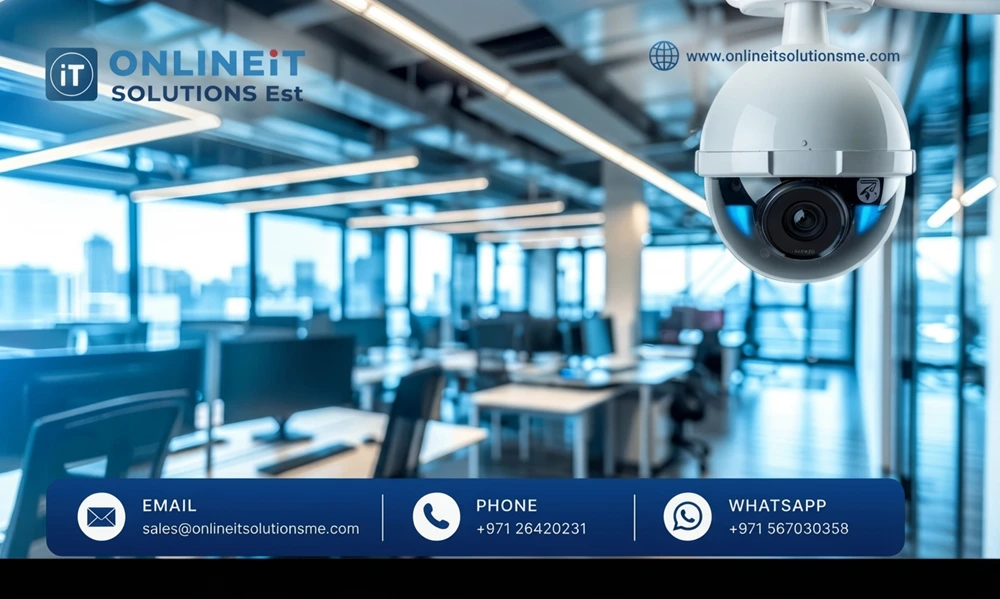
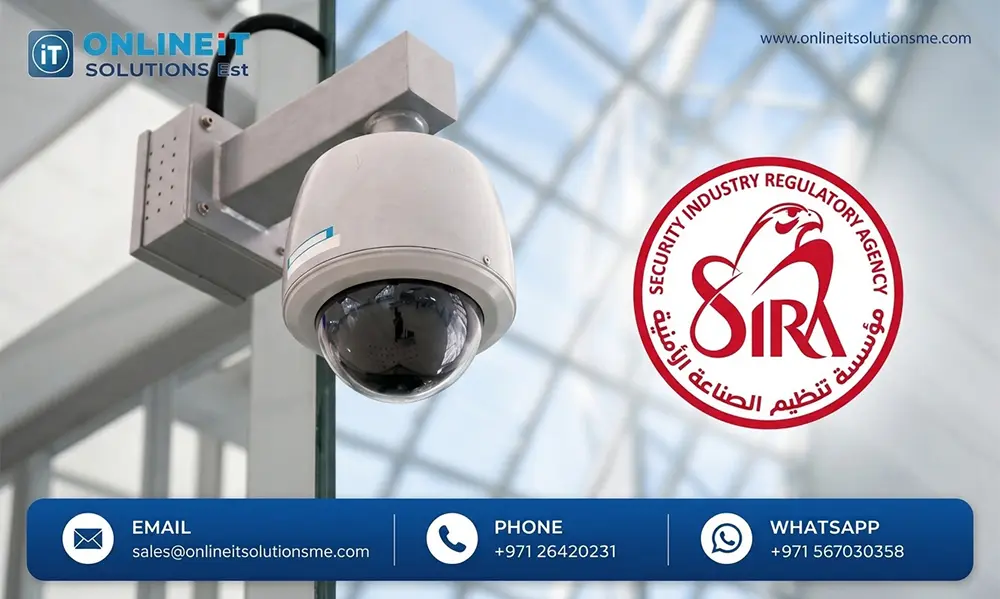
The use of CCTV cameras in Abu Dhabi allows businesses to monitor their office entrances, server rooms, and critical areas. Video surveillance adds to the protection of the business.
In a data breach case, video surveillance can help support an investigation of unauthorized physical activity.
When integrated with access control and cybersecurity technology, businesses can enhance security environments for both their physical and digital assets through the deployment of surveillance cameras.
Monitor Systems Continuously
Because of the nature of cyber threats, managing a system’s security is not a one-time operational task. Early detection of cyber activity relies on the regular monitoring of network traffic, firewall activity, authentication activity, endpoint alerts, and security logs.
Businesses can outsource their cyber security needs to service providers that offer solutions and services for vulnerability management, endpoint protection, security monitoring, incident response, and assessments of infrastructure.
Why Cybersecurity Matters for Abu Dhabi Businesses
Abu Dhabi firms rely heavily on cloud computing and related services. Hence, the protection of the information and data of businesses is a growing imperative.
IT security services require a multi-faceted approach comprising a combination of network security, endpoint protection, access management, data backups, employee training, physical security, and constant monitoring.
How IT AMC Services Address Data Protection
Routine IT maintenance can help identify vulnerabilities in systems before they pose a major security or operational concern. Failure to actively manage devices and the use of unsupported, misconfigured, and obsolete hardware and software can pose needless risks.
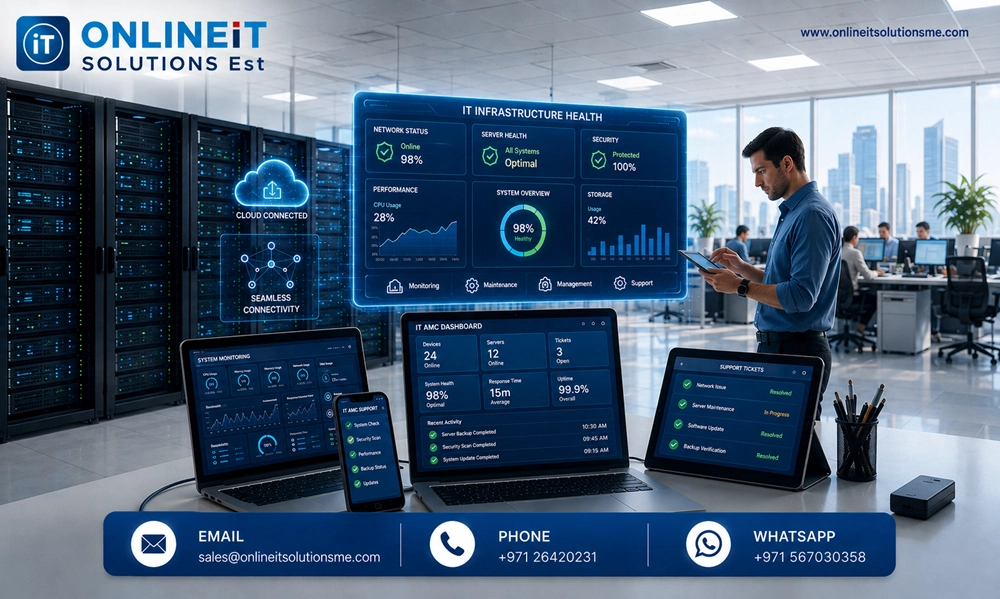
IT AMC services in Abu Dhabi offer managed IT services and address the IT needs of businesses in a comprehensive manner. Under maintenance contracts, businesses may expect system updates, hardware assessments, network services, backup management, security audits, support calls, and management of IT services and infrastructure.
Online IT Solutions can help businesses take an active and proactive approach to IT infrastructure management and support.
Frequently Asked Questions
What is the best way to protect business data from cyber threats?
Many of the best practices to mitigate the risk of data loss and theft are relatively straightforward such as strong passwords, multi factor authentication, endpoint security, access management, secure backups, data encryption, and protecting data with access controls and network protections.
What are the biggest threats to business data?
These include phishing, ransomware, credential theft, unauthorized access, software vulnerabilities, insider threats, data loss, and malicious and accidental data loss.
Can CCTV help protect business data?
Yes. Cameras can protect the physical access to servers as well as data and documentation.
Why are access control systems important?
Access control systems help create a barrier to entry that is only accessible to authorized personnel. Servers and other sensitive business resources are typically contained in secured areas.
Conclusion
Each of the measures mentioned above is a building block to an integrated and secure IT system. Every organization must consider cyber security, access management, employee awareness, backups, and the combination of physical and digital measures along with a well-constructed IT AMC to protect its data.
AMC provides Abu Dhabi businesses a better approach to infrastructure management. Businesses can also add CCTV systems and access control systems to improve the protection of their business resources.
Businesses can mitigate security risks, safeguard sensitive data, retain customers, and maintain stable, efficient operations by adopting a proactive approach to cybersecurity and IT maintenance.
Recent Article





























.jpg)


 +971 2 6420231